How Minimalism Helped Me Overcome Scarcity Mindset
Minimalism helped me realize that holding onto everything—old clothes, unused kitchen gadgets, sentimental knick-knacks—wasn’t keeping me safe, it was keeping me anxious. When I started letting go of items I didn’t need (even just one junk drawer at first), I discovered something wild: I actually felt richer with less stuff weighing me down. The scarcity mindset told me every possession was irreplaceable, but decluttering showed me I already had enough—and that freedom matters more than storage bins full of “just in case” items that steal your peace and your space.
Key Takeaways
- Minimalism revealed that hoarding possessions from fear of loss actually created more stress than security.
- Decluttering helped shift from believing “more stuff equals safety” to finding freedom in needing less.
- Letting go of unused items reduced the mental burden of managing and organizing excessive possessions.
- The 30-day rule and one-in, one-out policy encouraged mindful consumption over impulsive accumulation.
- Owning fewer meaningful items resulted in financial savings and more time for what truly matters.
The Childhood Origins of My Hoarding Habits
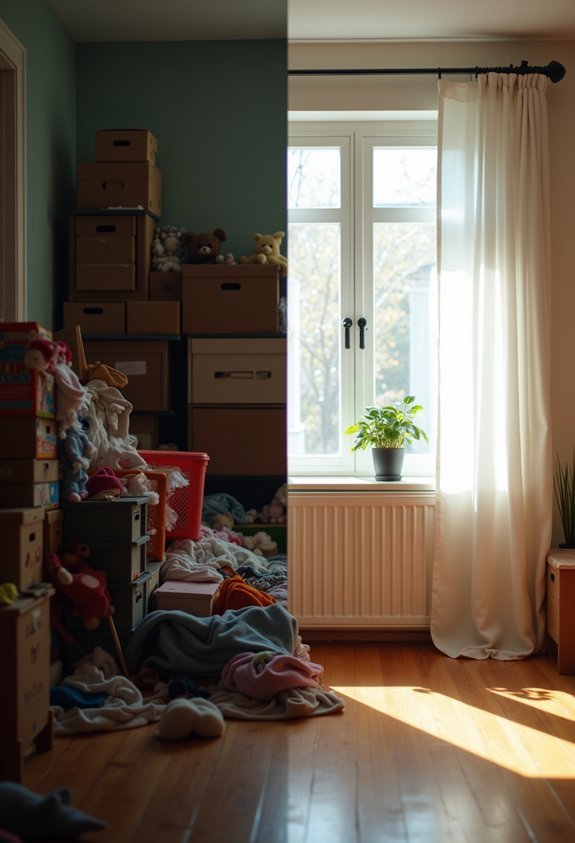
When I was seven, my grandmother handed me a rubber band ball she’d been building for thirty years—and somehow, that innocent gesture rewired my entire brain about stuff.
I learned that keeping things meant keeping love.
Every twist-tie, every button, every broken toy became proof that memories mattered—that *I* mattered.
Those childhood memories created emotional attachments I couldn’t untangle for decades.
You’ve probably got your own version of this story.
Maybe your family survived tough times, so waste felt like betrayal.
Or maybe you just learned that “someday” was always coming (spoiler: it never did).
Here’s what I figured out: hoarding isn’t really about the stuff.
Hoarding isn’t about the stuff—it’s about the fear of losing something we can never get back.
It’s about the fear underneath—the gnawing worry that letting go means losing something irreplaceable.
Physical items can reinforce emotional attachments, keeping us tied to experiences we’re not ready to release.
When More Stuff Made Me Feel Less Secure
The irony hit me hardest during my third apartment move—I’d accumulated so much “security” that I couldn’t afford the bigger security deposit I needed. Wild, right?
Here’s what consumer culture doesn’t tell you: stuff weighs you down, literally and financially.
Every bargain purchase, every “just in case” item—they all demanded storage fees, moving costs, and mental energy.
My emotional attachment to things I never used was costing me real freedom.
You know that feeling when your closet’s bursting but you’ve got nothing to wear? That’s scarcity mindset in action.
More possessions actually made me feel poorer because I was always protecting, organizing, and stressing about my things.
The stuff owned me.
Not the other way around.
Each item created this low-grade tension that kept me from seeing what actually mattered in my life.
My First Uncomfortable Steps Toward Letting Go

Starting with the junk drawer felt pathetic—like defeating the final boss by first conquering a pencil stub and three mystery keys.
Starting small isn’t weakness—it’s strategy. The junk drawer doesn’t mock you; it teaches you that letting go is survivable.
But here’s the thing: unpacking emotions attached to stuff requires baby steps, not grand gestures.
You’ll feel ridiculous at first.
That’s normal.
I stood there holding a broken phone charger for ten minutes, confronting fears I didn’t know existed.
What if I needed it someday? (Spoiler: I wouldn’t.)
What if throwing it away meant admitting I’d wasted money?
The discomfort was real—like peeling off a too-tight bandage.
But once that drawer was clear, something shifted.
I’d proven I could let go without catastrophe striking.
The sky didn’t fall. My world didn’t collapse.
I’d started naming the emotions tied to each object, which helped me finally separate my feelings from the stuff itself.
Sometimes the smallest victories create the biggest breakthroughs.
The Unexpected Freedom of Owning Only What I Need
After three months of ruthless decluttering, I owned 237 things—and somehow felt richer than ever before.
The decluttering benefits hit me like a surprise party I actually wanted. My mornings transformed because I wasn’t drowning in choices or hunting for things buried in closet chaos.
Here’s what intentional living actually looked like:
- Getting dressed took two minutes—not twenty—because every piece fit and I loved wearing it.
- Cleaning became stupidly easy since I only had surfaces worth keeping clear.
- Moving apartments cost $200 instead of hiring movers (hello, extra vacation money).
You don’t need backup scissors in every room or seventeen coffee mugs “just in case.”
That scarcity voice screaming “but what if you need it someday?” gradually quieted down.
Turned out, freedom wasn’t having everything.
It was needing less.
My clear physical space reflected a clearer mind—no more mental clutter fighting for my attention.
Recognizing Abundance in What Already Exists
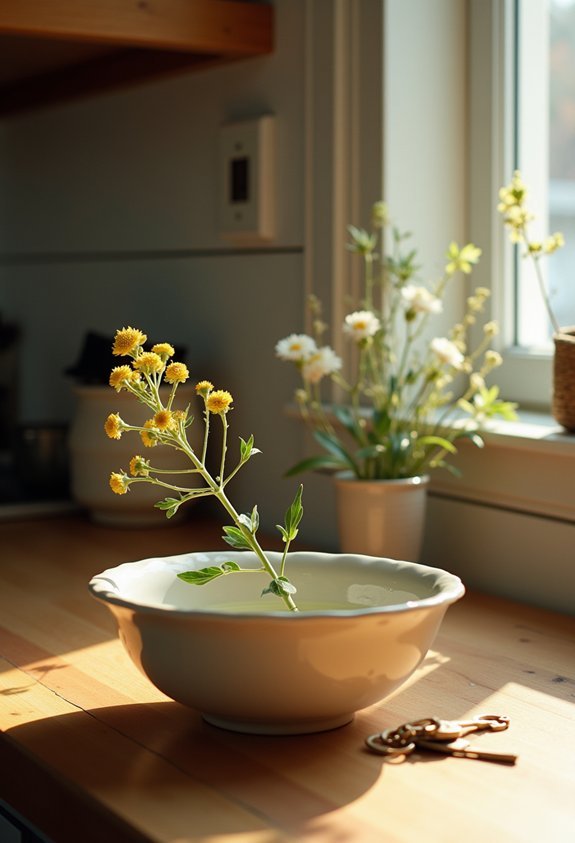
When I stopped obsessing over what I lacked, I noticed something wild: I already had plenty.
My closet—packed with clothes I forgot about—suddenly felt like a treasure chest. Those same six shirts I wore on repeat? They were enough. More than enough, actually.
This is where mindful gratitude becomes your secret weapon against scarcity thinking.
I started cataloging what I *actually* used (spoiler: way less than I owned), and it shifted everything. Instead of panicking about needing more, I felt weirdly rich with my three favorite mugs, my one good pan, my perfectly worn-in jeans.
That’s the abundance mindset clicking into place—recognizing you’re not poor, you’re just distracted by imaginary needs.
The clutter removal didn’t just clear physical space—it exposed the habits that kept me trapped in the cycle of wanting more.
Real abundance? It’s been sitting in your life all along.
Breaking the Cycle: How I Handle the Urge to Accumulate Now
I’ll be scrolling my phone, minding my business, and boom: targeted ad for the “perfect” organizer that’ll supposedly fix my life.
Here’s what I do now when that old urge hits:
- The 30-day rule — I screenshot it and revisit in a month (spoiler: I usually forget about it entirely).
- The one-in, one-out policy — If I’m buying something new, something old has gotta go first.
- The “why” check — I ask myself if I’m buying to fill an emotional hole or because I genuinely need it.
During those 30 days, I also track emotional triggers like stress or boredom that push me toward impulse purchases.
Mindful spending isn’t about deprivation—it’s about intentional living.
Mindful spending means choosing what truly matters instead of mindlessly filling carts to fill emotional voids.
It’s choosing what actually matters.
And honestly? Most things I thought I “needed” were just distractions from dealing with deeper stuff.
You may also like:

In case you were wondering
How Do You Handle Gift-Giving Occasions While Maintaining a Minimalist Lifestyle?
You’ll thrive by choosing gift alternatives like experiences, consumables, or charitable donations in someone’s name. Focus on meaningful gestures that show thoughtfulness rather than accumulating possessions, ensuring your minimalist values align with generosity and appreciation.
What Specific Items Do You Recommend Keeping Versus Discarding First?
Start your decluttering process by discarding duplicates, expired items, and things you haven’t used in a year. Keep essential items like important documents, daily-use kitchen tools, quality clothing, and meaningful sentimental pieces that truly spark joy.
How Does Minimalism Affect Your Relationships With Non-Minimalist Family Members?
You’ll face a million awkward conversations initially, but family interactions improve when you’re honest about your choices. Use communication strategies that emphasize your values without judging theirs, creating mutual respect despite different lifestyles.
What Are the Financial Savings You’ve Experienced Since Adopting Minimalism?
You’ll discover financial freedom through reduced impulse purchases and lower housing costs. Mindful spending becomes natural when you’re intentional about acquisitions. I’ve saved thousands by eliminating unnecessary subscriptions, downsizing possessions, and resisting constant upgrades.
How Do You Practice Minimalism With Children in the Household?
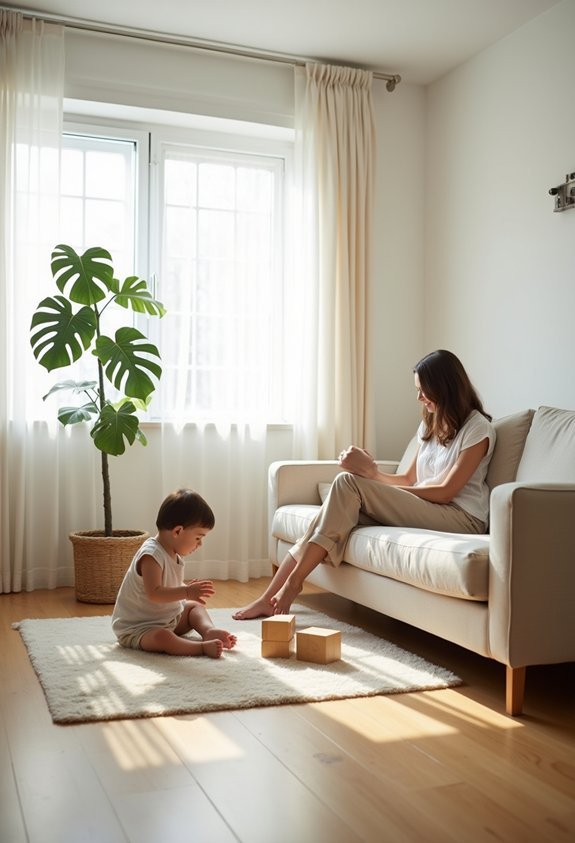
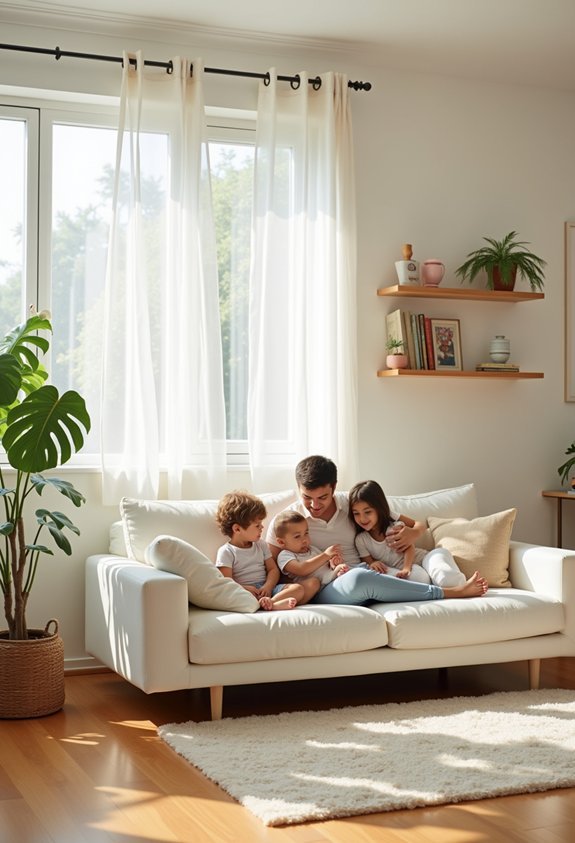
You’ll find children with fewer toys are 50% more creative. Start teaching organization early through child friendly activities like donation drives, rotating toys quarterly, and involving them in decluttering decisions. It’s empowering!
Conclusion
You might think you need more money before you can stop worrying about not having enough—but that’s the scarcity mindset talking again, trying to keep you stuck.
Here’s what’s wild: minimalism showed me I already had plenty. More than plenty, actually.
You don’t need a perfect decluttered home or some massive lifestyle overhaul to start feeling this shift. Just one drawer, one decision to keep only what serves you.
That’s where freedom begins.