The Frugal Person’s Guide to Gift-Giving Without Looking Cheap
You don’t need to empty your wallet to give meaningful gifts—you just need to focus on thoughtfulness over price tags. The secret is personalization: a hand-painted mug or curated playlist shows you truly get someone, while a generic $50 item screams “last-minute panic shopping.” Set a realistic budget (try the 1% rule—one percent of your monthly income), shop off-season sales, and remember that presentation matters. Stack those coupons, wrap thoughtfully with kraft paper and twine, and consider experience gifts like picnics or local concerts that create lasting memories without the hefty cost. There’s plenty more to explore about making every dollar count.
Key Takeaways
- Prioritize thoughtfulness over price by choosing personalized gifts that demonstrate you understand the recipient’s interests and preferences.
- Enhance modest gifts with quality presentation using simple wrapping materials and handwritten notes explaining your gift choice.
- Give experience-based gifts like picnics or local concerts that create lasting memories without requiring significant spending.
- Shop strategically by stacking coupons with sales, buying off-season, and using price-tracking apps to maximize savings.
- Set a realistic gift budget using the 1% rule and automate savings throughout the year to avoid financial strain.
Understanding the Psychology Behind Gift Perception
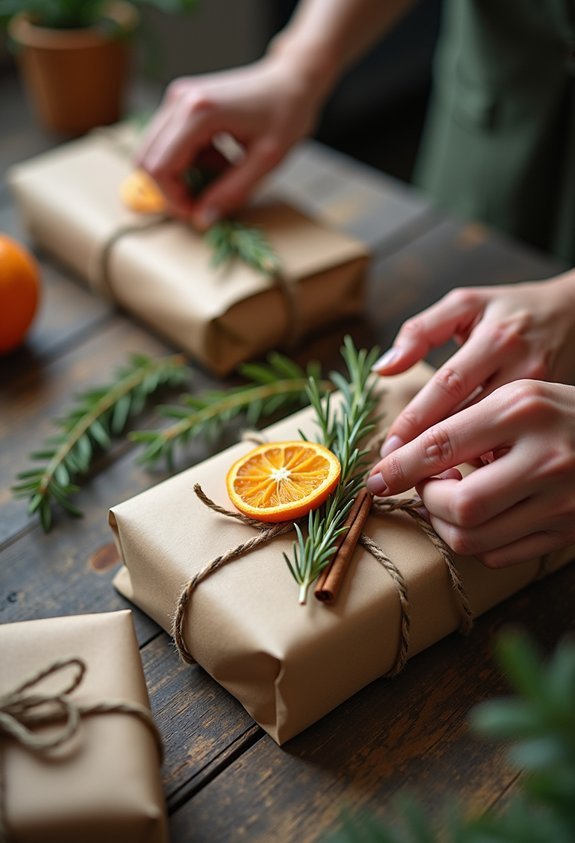
gift-giving isn’t really about the price tag.
It’s about managing gift expectations and creating emotional connections. When someone opens your present, they’re not mentally calculating what you spent—they’re asking themselves, “Does this person *get* me?”
That’s the magic ingredient.
A $10 gift that shows you remembered their obsession with vintage postcards (or their hatred of cilantro) beats a generic $50 candle every single time.
Your job isn’t to impress with expense—it’s to demonstrate thoughtfulness.
And honestly? That’s way cheaper anyway.
Just as physical items can reinforce emotional attachments, a well-chosen gift strengthens your connection by showing you truly understand what matters to them.
Setting a Realistic Gift-Giving Budget You Can Sustain
So you know what matters most—but that doesn’t mean you should spend yourself into oblivion trying to prove it.
Here’s the truth: budget constraints aren’t a character flaw. They’re reality.
Budget constraints aren’t a character flaw—they’re reality. Stop apologizing for being financially responsible.
Start by listing everyone you’re buying for—yes, write it down. Then assign dollar amounts that won’t make you eat ramen for three months (or skip your rent, yikes).
Gift prioritization means your best friend gets more than your coworker who you barely talk to, and that’s okay.
A good rule? If you’re wincing at the total, you’ve gone too far.
Consider the 1% rule: spend roughly one percent of your monthly income on gifts total. Adjust as needed, but give yourself guardrails.
Once you’ve set your limits, automate small transfers into a dedicated gift-giving savings account so the money is already there when you need it.
Your bank account will thank you.
Strategic Shopping Techniques That Maximize Value
The smartest shoppers aren’t the ones who spend the most—they’re the ones who make every dollar work harder.
Here’s how you can master discount hunting and value comparison without losing your mind:
- Stack coupons with sales—wait until that candle goes on clearance, then use your 20% off code.
- Check price-tracking apps like Honey or CamelCamelCamel to know if you’re actually getting a deal.
- Shop off-season—buy holiday decorations in January, summer gear in September (you get the idea).
- Compare unit prices, not just total costs, especially for bulk items at warehouse stores.
- Consider secondhand options for gift categories like books, games, or home décor where you can save 30–70% while still giving quality items.
The goal isn’t just finding cheap stuff—it’s finding quality items at prices that don’t make your wallet weep.
Smart shopping means being patient and strategic.
The Power of Personalization Over Price
a $15 personalized photo book beats a generic $50 gadget every single time.
Why? Because you took their inside jokes, favorite memories, and quirky preferences—and you turned those into something they can actually hold.
Customization options don’t have to be expensive.
Hand-painted mugs, playlists curated around their terrible music taste (we all have that one friend), or homemade spice blends for the cooking enthusiast—these meaningful gestures show effort.
And effort? That’s what people remember.
Not the receipt. Not the brand name.
Just you, caring enough to make it theirs.
When you focus on mindful spending rather than expensive purchases, you’ll find that giving becomes less about the price tag and more about genuine connection.
Homemade and DIY Gifts That Feel Luxurious
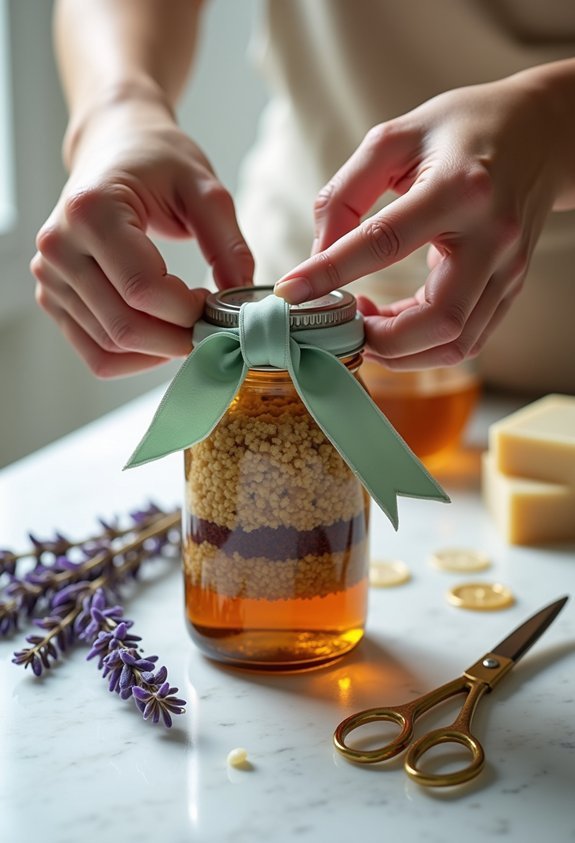
When someone unwraps your handmade gift and their face lights up—that’s not just appreciation, that’s genuine shock that something this thoughtful came from your actual hands.
Here’s what actually looks expensive:
The gap between handmade and expensive isn’t skill—it’s confidence in how you present it.
- Homemade candles in thrifted vintage teacups (because nobody needs to know you spent $2 at Goodwill)
- DIY bath bombs packaged in mason jars with twine—suddenly you’re a boutique spa owner
- Hand-knitted scarves that took you three Netflix binges to finish (time is luxury, right?)
- Infused olive oils in pretty bottles that make you look like you have your life together
The secret? Presentation matters more than perfection.
A slightly wonky candle in beautiful wrapping beats a store-bought one any day.
Your hands made this. That’s the luxury.
Plus, giving fewer, more meaningful gifts helps reduce the decision fatigue that comes with managing an overflowing closet of unwanted items later.
Timing Your Purchases for Maximum Savings
Why do retailers think we don’t notice their “Black Friday sales” mysteriously appearing in October?
We’re onto them—and we’re going to use it to our advantage.
Here’s your new strategy: buy gifts year-round during seasonal sales and clearance events.
Got a December birthday coming up? Start shopping in January when everything’s 70% off.
Wedding in June? Hit those post-Valentine’s Day sales in February.
The secret is thinking ahead (I know, I know—it’s hard when you can barely remember what day it is).
But honestly? Buying that fancy candle in March for your sister’s October birthday means you’ll actually have money left for groceries.
Keep a simple list on your phone of upcoming occasions.
Then pounce when clearance events hit.
Just like with groceries, comparing unit prices helps you determine whether that gift set is actually a better deal than buying items individually.
Your wallet will thank you.
Presentation Strategies That Elevate Any Gift
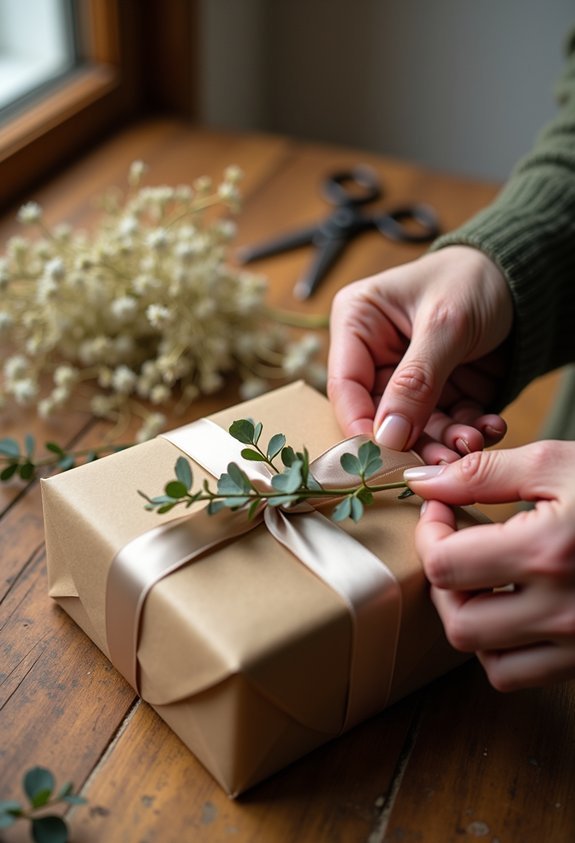
Let’s be honest—even a mediocre gift looks amazing when it’s wrapped like you actually tried (or paid someone who did).
Gift wrapping doesn’t need fancy store-bought paper either. You can master these presentation techniques without breaking the bank:
- Use brown kraft paper with twine—it looks intentionally rustic (not broke)
- Add a sprig of something green from your yard for that expensive boutique vibe
- Layer tissue paper inside bags to create suspense and drama
- Write a genuine note explaining why you picked this specific gift for them
Here’s the thing: people remember how you made them feel, not what you spent. A thoughtfully wrapped $15 gift beats a naked $50 one every time.
Presentation amplifies value—a $15 gift wrapped with intention outshines an unwrapped $50 purchase every single time.
Before you even start wrapping, use a simple decision framework to ensure each gift aligns with your budget constraints and genuinely solves the problem of showing appreciation without overspending.
Trust me on this.
Experience-Based Gifts That Create Lasting Memories
Remember that concert you went to five years ago? You probably can’t recall what physical gifts you received that year, but those experience gifts stick with you forever.
That’s the magic of memory making—and it doesn’t require emptying your wallet.
Adventure outings like hiking trips or picnics cost practically nothing. Cooking classes, workshop sessions, and volunteer opportunities together create bonds that last way longer than another candle (sorry, candles).
Concert tickets to local venues won’t break the bank, and museum memberships pay for themselves after two visits.
Spa days sound fancy, but a homemade pamper-session counts too. Travel experiences don’t mean expensive flights—sometimes a day trip to that quirky town nearby beats any store-bought present.
The best part about experience-based gifts is that they prioritize quality time together, which strengthens relationships far more than material items ever could.
When to Spend More and When to Scale Back

Although your budget matters, the relationship matters more—and that changes everything about how much you should spend.
You may also like:





Here’s when to splurge versus save:
- Spend more on milestone gift occasions (weddings, graduations, milestone birthdays) and people you’re closest to—your spouse, kids, best friend.
- Scale back on casual acquaintances, coworkers you barely know, and your neighbor’s kid’s birthday party.
- Invest wisely when recipient preferences are crystal clear and you’ve found the *perfect* match for their personality.
- Go modest when you’re guessing or when the relationship is still new (nobody expects extravagance from someone they met three weeks ago).
The sweet spot? Spending enough to show you care without creating financial stress that’ll haunt you through February.
Consider assigning a clear monthly allocation for gifts just as you would for other discretionary spending—keeping baseline spending in check prevents holiday and birthday expenses from derailing your long-term financial goals.
In case you were wondering
How Do I Politely Decline Participating in Expensive Group Gifts?
You’ll want to honestly explain your financial situation and suggest budget-friendly alternatives. Following proper group gift etiquette, you can offer to contribute what you’re comfortable with or propose organizing a meaningful card everyone signs instead.
What’s Appropriate to Spend on a Coworker’s Birthday Gift?
Think coffee, not dinner: you’d typically spend $10-20 on a coworker’s birthday gift. This gift budget respects coworker expectations while avoiding awkward financial pressure. It’s thoughtful without being uncomfortable or overly personal.
Should I Tell People I Made Their Gift Myself?
Yes, you should share that you’ve made it yourself. Gift etiquette actually encourages transparency about handmade items. There’s genuine handmade pride in creating something personal, and recipients typically appreciate the time and effort you’ve invested.
How Do I Handle Gift Exchanges With Wealthier Friends?
Focus on budget-friendly options that emphasize thoughtful gestures rather than price tags. You’ll find success by choosing meaningful, personalized gifts that reflect your friends’ interests. Remember, genuine thoughtfulness always outweighs expensive items in true friendships.
Is Regifting Ever Acceptable and How Do I Do It?
Yes, you’re a phoenix transforming old gifts into new treasures. Follow regifting etiquette: never regift to the original giver, ensure items are pristine, and use creative packaging to make presents feel fresh and thoughtfully chosen.
Conclusion
You’ve got this—and your wallet does too. Remember: thoughtful gifts don’t demand deep pockets, meaningful moments don’t require massive budgets, and genuine generosity doesn’t need a gold card. Whether you’re crafting something handmade, hunting for the perfect sale, or simply adding that personal touch that makes everything better, you’re proving that the best gifts come from your heart, not your bank account.