The Minimalist’s Guide to Travel and Adventure
Minimalist travel means packing light—think one carry-on with versatile clothes in neutral colors—so you’re not lugging around stuff you’ll never wear. Focus on experiences over souvenirs, leave room in your schedule for spontaneous adventures, and ditch the constant phone checking (your best stories come from actually paying attention). You’ll save money on baggage fees, move through airports faster, and reduce decision fatigue when you’re not stressing about outfits. The real magic happens when you realize less stuff equals more freedom—and there’s plenty more to unpack about making that shift.
Key Takeaways
- Pack light with versatile, neutral-colored clothing and multipurpose items to reduce baggage fees and increase mobility.
- Prioritize experiences over possessions by focusing on local connections, spontaneous adventures, and meaningful cultural interactions.
- Distinguish essential gear from nice-to-have items to minimize distractions and maintain focus on what truly matters.
- Create flexible itineraries with breathing room, planning only two to three activities daily for spontaneous discoveries.
- Practice digital minimalism by limiting screen time, reducing notifications, and engaging fully with your surroundings.
The Philosophy Behind Minimalist Travel
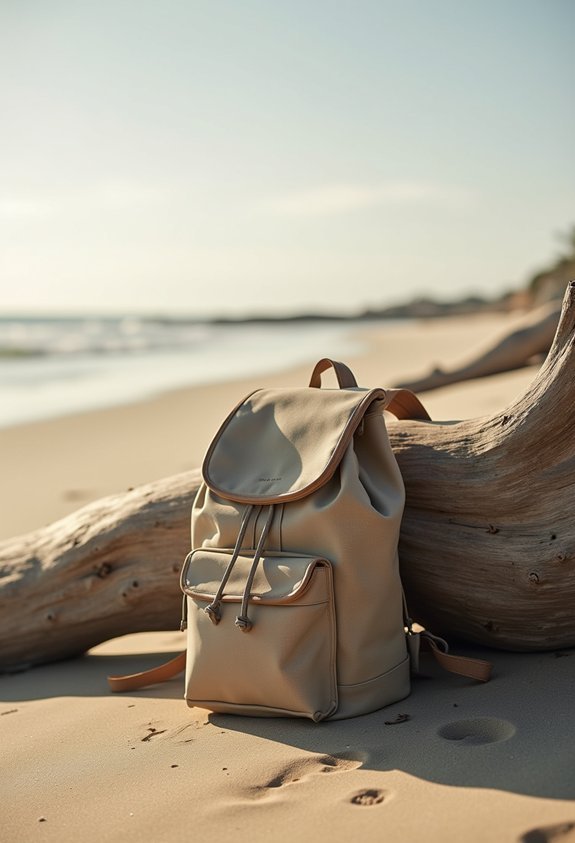
When you think about minimalist travel, you’re probably picturing some zen master who owns three shirts and carries a tiny backpack through the Himalayas.
But here’s the truth—minimalist travel isn’t about suffering or proving how little you need.
It’s about essence exploration.
You’re focusing on experiences over stuff, connections over collections. When you practice mindful wandering, you’re not rushing through twenty landmarks in three days (Instagram won’t collapse if you don’t).
Slow down and actually taste the gelato instead of photographing it for people who aren’t even there.
You’re actually *present* for the sunset, the conversation with that local chef, the unexpected detour that becomes your favorite memory.
Think of it this way: less planning stress, fewer lost items, more energy for adventure.
That’s the philosophy—stripping away the excess so you can fully experience what matters.
By reducing distractions, you free up mental energy to notice the small moments that transform a trip from a checklist into a genuine adventure.
Mastering the Art of Packing Light
After you’ve embraced the minimalist mindset, the real challenge hits you square in the face: actually fitting your life into one bag.
Here’s the truth—you don’t need half of what you think you do.
Start with travel essentials only: clothes that mix-and-match (boring but brilliant), toiletries you can refill anywhere, and one pair of shoes that won’t destroy your feet. That’s it.
The best packing strategies? Roll your clothes like burritos, wear your bulkiest items on the plane, and ask yourself, “Can I buy this there?” The answer’s usually yes.
Look, you’ll probably overpack your first trip. We all do.
But each journey teaches you something new—mainly that you wore the same three outfits anyway.
Before you zip up that suitcase, apply the clear rule: each item must earn its place by serving multiple purposes or bringing genuine value to your adventure.
Creating a Capsule Wardrobe for Any Destination
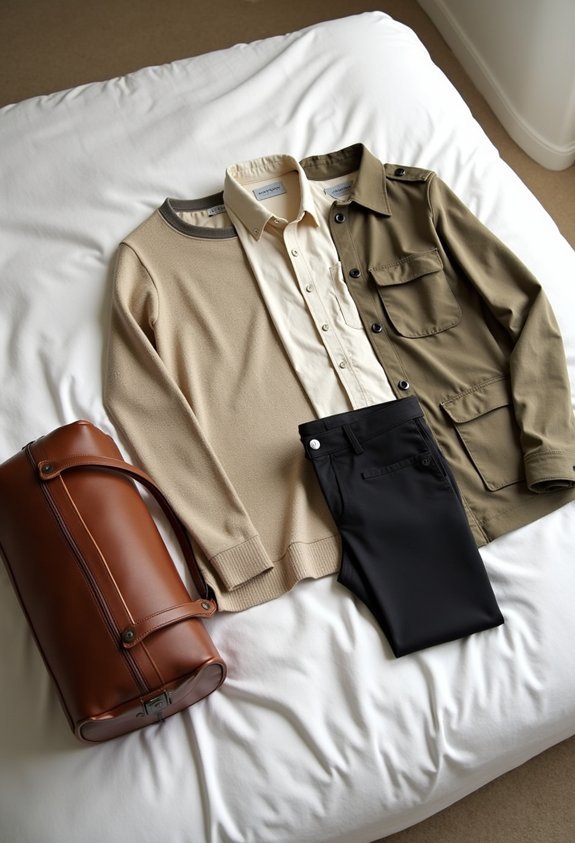
Because you’re going to wear the same seven pieces in thirty different ways, building a capsule wardrobe is less about fashion and more about strategic laziness.
Start with a neutral color palette—blacks, grays, navy—so everything matches without thinking. Your fabric choices matter more than you’d expect: merino wool doesn’t smell (yes, really), and quick-dry synthetics save you from doing laundry in sketchy hostel sinks.
Here’s what actually works:
- Two bottoms that go with everything
- Four tops you can layer
- One dress or button-up for fancy moments
- Shoes you’ve already broken in
Mix, match, repeat. Nobody’s tracking your outfits except you—and honestly, you’ll be too busy exploring to care. Before you pack, take inventory of what you already own using a simple checklist—you might rediscover versatile pieces buried in your closet that align with your values better than anything new you could buy.
Essential Gear vs. Nice-to-Have Items
The difference between essential and nice-to-have is basically this: if you lose it, will your trip completely fall apart or will you just be mildly annoyed?
Your passport, phone charger, and medications? Essential gear—lose those and you’re basically stranded.
That fancy travel pillow or portable speaker? Nice to have, but you’ll survive without them.
Here’s the test: imagine your bag gets lost (sorry, stressful thought). What would make you panic versus what would make you shrug and say, “Oh well”?
Essential gear keeps you safe, legal, and functional. Everything else—no matter how cool it seems on Instagram—is just extra weight slowing you down.
Pack the essentials first.
Then, if there’s room, add one or two nice-to-have items that actually bring you joy.
Fewer distractions in your luggage mean you’ll have clearer recognition of needs during your trip, making it easier to stay present and responsive to unexpected adventures.
Choosing Quality Over Quantity in Travel Equipment
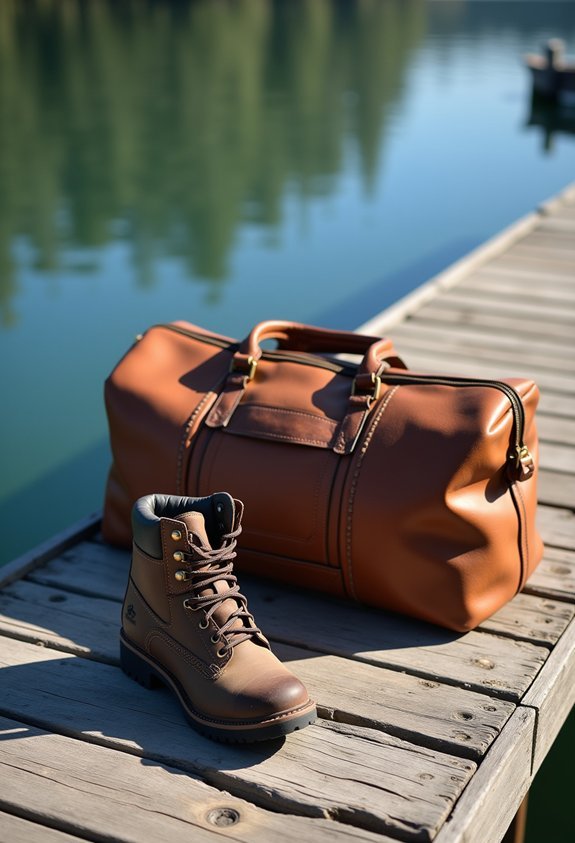
Once you know what you actually need, here’s where smart packing gets interesting—buying one great thing instead of three okay things.
Quality materials matter because they’ll survive getting stuffed in overhead bins, dragged through airports, and maybe (definitely) dropped in puddles.
Your wallet might cry initially, but travel longevity means you’re not replacing stuff every trip.
Think about it this way:
- A solid backpack lasts ten years—not ten months
- Merino wool shirts don’t smell after multiple wears (your seatmates will thank you)
- Durable shoes won’t fall apart mid-adventure
- Quality toiletry bags actually keep your shampoo from exploding everywhere
One reliable jacket beats three flimsy ones taking up precious luggage space.
Considering cost per use rather than just upfront price helps you see the real value of travel gear that will accompany you on countless adventures.
Buy less, choose better, travel happier.
Planning Flexible Itineraries With Breathing Room
When you’re mapping out your trip, resist that urge to pack every single day with attractions, tours, and must-see spots like you’re speedrunning a video game. Trust me—you’ll burn out faster than your phone battery.
Here’s the thing about flexible planning: it actually makes your trip better, not worse. Leave gaps in your schedule for spontaneous adventures, random coffee shops, or—let’s be honest—sleeping in because jetlag hit you like a truck.
Flexible planning beats rigid itineraries—leave room for spontaneous moments, jetlag recovery, and discoveries you can’t schedule in advance.
Block out maybe two or three activities per day, max. The rest? Breathing room.
This approach lets you stumble upon hidden gems, follow a local’s recommendation, or just exist without constantly checking your itinerary. Just like a daily check-in helps you separate urgent from important, planning with breathing room helps you focus on experiences that actually matter instead of racing through a packed agenda. You’re traveling to experience life, not complete a checklist.
Prioritizing Experiences Over Material Souvenirs
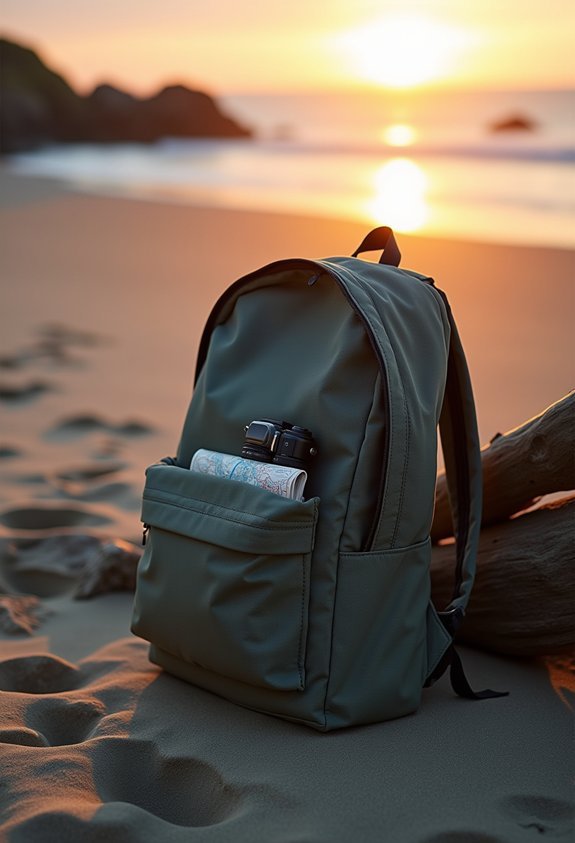
How many fridge magnets do you really need from different countries before you realize they’re just collecting dust and taking up space in your moving boxes?
Here’s what actually sticks with you:
- Taking a cooking class with locals who share family recipes and stories
- Hiking that trail at sunrise—yes, even when you didn’t want to wake up
- Conversations with strangers that somehow turn into deep, meaningful connections
- Learning three phrases in the local language (and butchering them hilariously)
Experience gifts trump plastic souvenirs every single time. They become part of who you are.
If you need mindful mementos, grab a postcard or snap photos. These small tokens remind you of adventures without cramming your suitcase—or future home—with regrettable purchases.
Your memories matter more than stuff.
Resisting the urge to buy souvenirs helps you avoid collecting burnout and keeps your travels focused on what genuinely enriches your life.
Budget Benefits of Traveling With Less
Packing light doesn’t just save your shoulders from aching—it saves your wallet from crying.
Pack light, save money—your shoulders and your bank account will thank you for traveling minimalist.
When you travel with less stuff, you’ll dodge those brutal checked baggage fees (which can cost $30-50 each way—yikes). Budget travel becomes way easier with a minimalist mindset because you’re not tempted to buy extra suitcases or shipping costs for souvenirs.
Here’s the real magic: fewer belongings mean you can grab last-minute deals on budget airlines that only allow carry-ons.
You’ll move faster through airports, switch accommodations without stress, and even choose cheaper lodging without worrying about storage space.
Less stuff equals more freedom.
And honestly? That freedom is worth more than any oversized luggage could ever hold.
By choosing quality over quantity, you can invest in versatile, durable travel gear that serves multiple purposes and lasts for years of adventures.
Environmental Impact: How Minimalism Makes Travel Sustainable
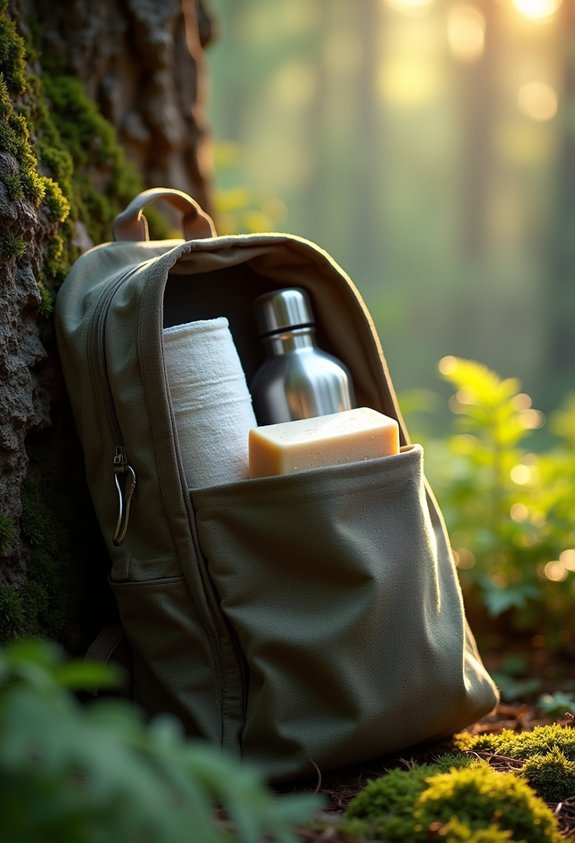
Every time you cram another suitcase full of “just in case” items, you’re not just weighing down the plane—you’re adding to your carbon footprint in ways that might surprise you.
Here’s the thing: minimalist travel isn’t just easier on you—it’s kinder to the planet. When you pack light, you’re practicing waste reduction and mindful consumption without even trying.
Responsible travel through minimalism means:
- Choosing sustainable transportation and eco friendly accommodations that support local communities
- Skipping single-use plastics because you’ve got your reusable everything
- Supporting ethical tourism by spending money where it matters
- Building environmental awareness through meaningful experiences, not souvenir shopping
You’ll naturally gravitate toward nature conservation efforts when you’re not lugging stuff around.
It’s pretty amazing, actually—traveling lighter makes you a better guest on this planet. Just like clearing physical clutter from your home reduces decision fatigue, packing only essentials frees up mental energy to fully engage with new places and cultures.
Digital Minimalism on the Road
Your phone buzzes with another notification—someone just liked a photo you posted three airports ago, and you’re already wondering if you should upload that sunset pic or wait until you find better wifi.
Here’s the thing: travel’s about *being* somewhere, not just proving you were there.
Try a digital detox—even just mornings without scrolling.
You’ll actually remember that market’s smell, the cobblestones under your feet, the conversation with that café owner who recommended the perfect side street.
Mindful technology means your phone serves you, not the other way around. Use it for maps and translations, sure—but then tuck it away.
Let your phone be a tool, not a companion—use it intentionally, then put it away and look up.
Research shows that heavy screen use correlates with higher stress levels and poorer attention, which means constant phone-checking actually diminishes your ability to absorb the experiences you traveled to have.
Because here’s what nobody tells you: your best travel stories won’t come from chasing likes.
You may also like:
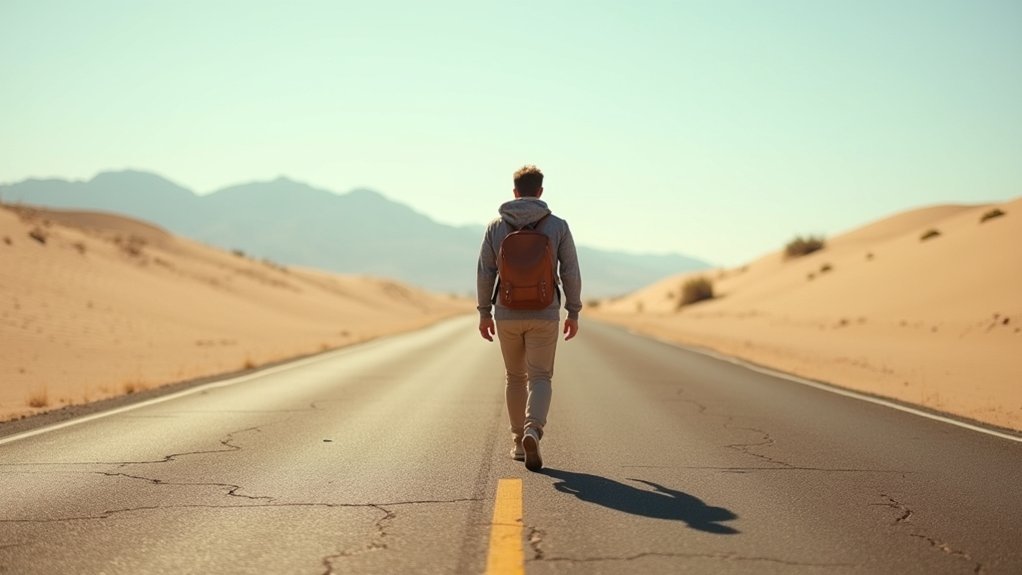


They’ll come from paying attention.
In case you were wondering
How Do I Handle Laundry While Traveling With Minimal Clothing?
You’ll manage laundry by hand-washing items in your sink or using a portable washer for efficiency. Alternatively, you can utilize local laundry services at laundromats or hotels, which saves time and effort while traveling.
What Minimalist Strategies Work Best When Traveling With Children?
Think of packing essentials as your anchor—you’ll want versatile clothing, favorite toys, and snacks. You’re already planning child friendly activities that don’t require gear, like nature walks and local playgrounds, keeping baggage minimal.
How Can I Practice Minimalist Travel While Attending Formal Events?
Choose versatile event attire in neutral colors that’ll work for multiple occasions. Pack essential accessories that transform outfits. You’ll maximize your wardrobe options while keeping luggage minimal. Coordinate pieces strategically before traveling.
What Are the Best Travel Insurance Options for Minimalist Travelers?
You’ll want travel insurance with comprehensive coverage limits that match your minimal gear value. Focus on policy comparison sites like Squaremouth or InsureMyTrip to find plans emphasizing medical emergencies and trip interruption over baggage coverage you don’t need.
How Do I Maintain Minimalist Habits After Returning Home From Travel?
You’ll maintain minimalist habits by unpacking immediately, sorting items you didn’t use, and donating excess. Establish post travel routines like weekly decluttering strategies, one-in-one-out rules, and regularly reviewing your possessions.
Conclusion
Picture yourself breezing through airports with just one bag, choosing sunset hikes over souvenir shops, and—here’s the best part—actually feeling free instead of weighed down by stuff you’ll never use.
That’s minimalist travel.
You don’t need much to see the world. Just curiosity, decent shoes (seriously, invest in those), and the willingness to discover that less really is more when you’re chasing adventures instead of carrying half your closet around.