Why I Ask ‘Where Will This Live?’ Before Buying
You’re already spending money on items destined for nonexistent homes—that marble rolling pin seemed perfect until you realized your drawers were stuffed. Asking “where will this live?” forces honest visualization before checkout, revealing that your closet can’t handle another sweater and your kitchen’s actually full. This simple question cuts through aspirational fantasies (you’re not suddenly becoming a pasta-making person), prevents buying duplicates of things buried in clutter, and works better than budget math because it addresses real space, not imaginary organization. It’s like having a brutally honest friend in your pocket—and there’s a whole system behind making it stick.
Key Takeaways
- Asking “where will this live?” prevents impulse purchases by forcing visualization of actual available space before buying.
- The question reveals when items lack a real home, preventing clutter accumulation and reducing financial stress from storage problems.
- This mental check helps identify duplicate items already owned, avoiding redundant purchases and wasted money.
- The practice reduces discretionary spending by 20-30% through thoughtful pre-purchase consideration and 24-hour delays.
- Consistent use creates a self-maintaining organization system that decreases visual clutter and improves mental well-being.
The Impulse Purchase Problem That Changed My Approach

I used to shove everything—and I mean *everything*—into whatever drawer, closet, or corner had an inch of space left.
Cute mug from the gift shop? Sure, I’ll find room eventually.
Another decorative pillow? Why not!
The result? Total chaos.
My turning point came when I bought a beautiful marble rolling pin (because apparently I was going to become a baker overnight) and literally had nowhere to put it.
That marble rolling pin sat on my counter for weeks with no home, silently judging my impulsive purchase.
It sat on my counter for weeks, mocking me.
That’s when the “where will this live?” question became my secret weapon for impulse control and mindful spending.
Before swiping my card, I picture the exact spot—the actual physical location—where that item will go.
No answer? No purchase.
Simple as that.
This one question naturally supports intentional purchases and helps prevent the overflow that comes from thinking “I’ll just find space later.”
How Visualization Acts as a Natural Shopping Filter
This simple mental exercise—picturing where something will actually go—has saved me hundreds (maybe thousands?) of dollars over the years.
Because here’s what happens when you try visualization techniques: you start seeing the truth about your space.
That “adorable” decorative bowl? You’ll suddenly realize your shelves are already packed with adorable things you don’t use.
The fancy kitchen gadget? You’ll picture it shoved in the back of your overcrowded cabinet—lonely, forgotten, collecting dust.
It’s like your brain becomes this honest friend who says, “Yeah, no—we both know that’s ending up in the donation pile.”
This shopping mindset shift doesn’t require willpower or discipline.
Just honesty.
And honestly? Most things we’re tempted to buy don’t have a real home waiting for them.
They’re homeless from the start.
Before buying, ask yourself if the item truly supports your current daily routines or if it’s just another object that will drain your energy.
The Reality Check of Already-Occupied Spaces

Where exactly is this new thing supposed to go when the old thing is still sitting there?
This question—awkward as it feels—forces you to confront reality. Your closet’s already packed, your kitchen drawer won’t close properly, and that cabinet shelf is basically a Jenga tower waiting to collapse.
Space optimization isn’t about playing Tetris with your stuff (though we’ve all tried). It’s about acknowledging what’s actually available.
When you ask “where will this live,” you’re doing instant clutter management without the guilt trip. You’re not saying you’re bad at organizing—you’re just being honest about physics. Things need homes, and imaginary homes don’t count.
If there’s nowhere to put it without rearranging your entire life?
That’s your answer right there.
Physical space reflects mental clutter, and when every surface is already occupied, adding more just creates distraction from what actually matters.
Why This Question Works Better Than Budget Calculations
Budget math lies to you in the most helpful-sounding way possible. It says, “You’ve got $47 left this month—you can totally buy that thing!”
But budget limitations don’t account for the chaos factor. Where you’ll actually put something matters way more than whether you can technically afford it.
Your budget says yes, but your already-packed closet says absolutely not.
Here’s why: financial stress doesn’t come just from overspending. It comes from buying stuff that creates problems—like storage bins you stack in corners, gadgets that clutter counters, or clothes shoved into already-packed closets.
The “where will this live” question stops you before the purchase becomes a regret project.
It’s not about being cheap. It’s about being honest with your actual life, not your aspirational Pinterest-board fantasy life.
When items lack a clear home, they contribute to visual excess that keeps your brain in a state of low-level alertness you might not even consciously notice.
Preventing Duplicate Purchases and Redundant Items

Before you even think about making space for something new, ask yourself: “Wait—don’t I already own this?”
Because here’s the thing—most of us have bought the same black cardigan three times, own four phone chargers we can never find, and possess multiple half-used bottles of the exact same conditioner living under the bathroom sink.
The “where will this live?” question forces you to actually *look* at what you already have. When you mentally assign a physical home to your potential purchase, you’re forced to confront the duplicate items already sitting there—taking up space, gathering dust, making you feel vaguely guilty every time you open that drawer.
This simple mental check becomes your best tool for clutter reduction, saving you money while keeping your home from turning into an accidental warehouse of redundant stuff. By logging your impulse buying patterns for just a week, you can identify exactly which types of duplicate purchases you’re most prone to making—whether it’s beauty products, wardrobe basics, or tech accessories—and create specific guardrails to prevent those repeat mistakes.
The Unexpected Benefit of Knowing Your Home Inside Out
Think about it: when you’ve mentally mapped out every drawer, shelf, and corner of your home (because you’ve been playing this little game before every purchase), you suddenly stop losing things.
Your keys? They’re in that bowl by the door—the only spot they fit.
Your measuring cups? Third drawer down, next to the spatulas.
This whole “where will this live” thing forces you to actually know your home layout inside and out. You become weirdly good at space utilization without even trying.
And here’s the bonus: when you know exactly what lives where, you stop that frantic morning scramble looking for stuff.
No more “I swear I just had it!” moments.
You’ve accidentally organized your entire life—just by being choosy about what comes in.
Consider creating dedicated drop zones for the items you touch every day—keys, wallet, phone—so they always return to the same spot without thinking.
When Online Shopping Becomes More Intentional

Once you start asking “where will this live?” before hitting that tempting checkout button, online shopping transforms from mindless scrolling into something almost—dare I say it—strategic.
You’ll find yourself pausing at those 2 AM shopping sprees (we’ve all been there), actually picturing where that adorable ceramic whatever would go.
And here’s the beautiful part: mindful consumption doesn’t mean deprivation—it means being smarter about what you bring home.
This simple question turns intentional living from some Instagram buzzword into an actual practice you can use right now.
You’re not just buying less random stuff. You’re choosing things that genuinely fit your space and life.
Before making the purchase, you’ll naturally start identifying what must move or leave to make room for each new item.
The cart abandonment rate? Sky-high.
Your regret rate? Practically nonexistent.
Teaching This Habit to Family Members
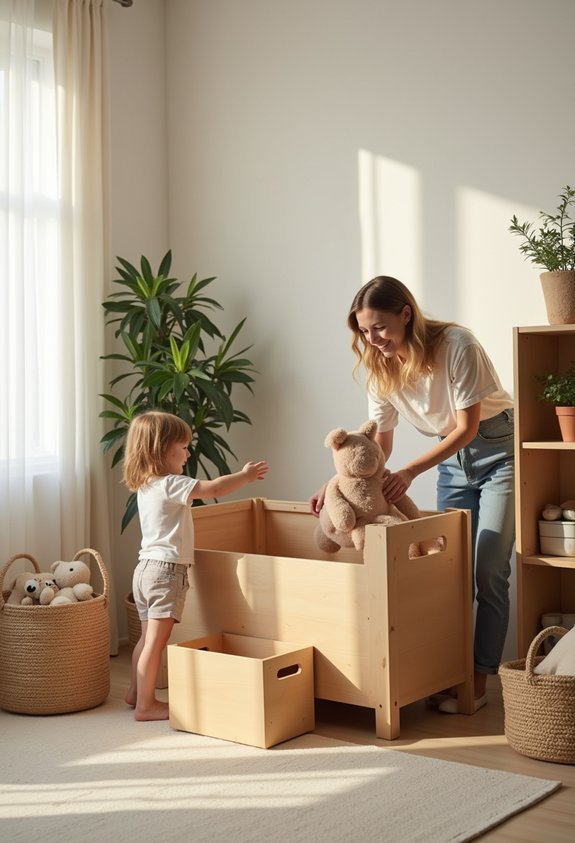
Getting your family on board with “where will this live?” might feel like herding cats at first—especially if you live with enthusiastic shoppers or kids who think every toy display is calling their name.
Start small with habit formation. Ask the question out loud before purchases—even if it feels awkward at first.
Your kids might roll their eyes initially (mine definitely did), but something magical happens when they hear it enough times.
Family involvement works best when everyone sees the benefits. When your daughter realizes her new craft supplies won’t fit anywhere, she’ll remember next time.
When your partner can’t find space for that impulse buy, the lesson lands.
Make it a game, not a lecture.
Share your financial goals with family members to create accountability and reinforce why the “where will this live?” habit matters for everyone.
Soon enough, they’ll start asking themselves—and that’s when you’ve won.
What to Do When You Can’t Answer the Question

That moment of silence—when your brain offers absolutely nothing—is actually valuable information.
It’s telling you something important: you don’t have a home for this item because—honestly—you probably don’t need it.
And that’s okay.
Here’s what to do next: walk away for twenty-four hours. If you can’t remember what the thing even was (happens more than you’d think), you definitely didn’t need it.
Research shows that implementing a 24-hour delay can reduce discretionary spending by 20-30%.
If you’re still thinking about it, get creative. Could something you already own be donated to make room?
Sometimes space limitations force us to choose between the new shiny thing and what we’ve already got—and that’s when we discover what actually matters.
Creative storage isn’t magic. It’s prioritizing.
Long-Term Impact on Overall Home Organization
When you consistently ask “where will this live?” before bringing something home, your entire house starts working differently—like it’s finally on your side instead of constantly fighting you.
You may also like:




Here’s what happens over time:
- New purchases naturally slow down because you’re thinking ahead instead of impulse-buying (which also supports sustainable living—bonus!)
- Clutter stops accumulating in those weird “I’ll deal with it later” piles.
- Your home organization actually stays organized instead of reverting to chaos every three weeks.
The compound effect is real. Each thoughtful decision builds on the last one, creating a system that maintains itself without you white-knuckling your way through weekend decluttering sessions.
Your future self will thank you—probably while relaxing instead of frantically searching for lost keys. This practice of decluttering physical spaces reduces visual noise in your environment, which can keep your nervous system on high alert and contribute to background anxiety.
In case you were wondering
How Do You Handle Gifts That Don’t Have a Designated Space?
You’ll need to create designated areas for gifts before accepting them. If you can’t identify where they’ll fit into your gift organization system, consider declining politely or rehoming items that don’t serve a clear purpose in your space.
What if You Need to Buy Something Before Decluttering the Intended Space?
You can use temporary storage while prioritizing needs, but set a firm deadline to declutter that space. Buy only essential items you’ll need immediately, and tackle the organizing project as soon as possible to avoid clutter buildup.
Does This Strategy Work for Digital Purchases Like Apps or Subscriptions?
Yes, you’ll apply digital organization principles similarly. Before subscribing, determine where the app fits in your app management system—which folder, screen, or workflow it’ll occupy. This prevents duplicate subscriptions and digital clutter accumulation.
How Do You Apply This Method When Shopping for Seasonal Items?
You’ll need designated seasonal storage before buying holiday decor. Ask yourself where it’ll stay during off-months—attic, basement, or closet. If you can’t identify specific storage space, you shouldn’t purchase it.
What About Purchasing Items Meant to Replace Something You’ll Donate Later?
You’ll still need designated storage for replacement items until your donation timeline happens. Don’t bring new items home until the old ones leave, or you’ll create clutter. Make the swap simultaneous whenever possible to maintain your space.
Conclusion
You’ll be amazed how much clearer your shopping decisions become when you’ve got this one simple question in your back pocket. And here’s the funny thing—you might actually find yourself walking past those Target clearance aisles without filling your cart (shocking, I know). Your home will thank you, your wallet will definitely thank you, and honestly? Future you—the one who’s not drowning in random stuff—will be grateful you started asking.