17 Ways to Save Money on Utilities Without Freezing
You can slash your utility bills without turning your home into an arctic tundra—promise. Start by adjusting your thermostat just 3-4 degrees (you won’t even notice, but your wallet will), seal those sneaky air leaks with cheap weatherstripping, and switch to LED bulbs that’ll outlive your houseplants. Layer up indoors like you’re preparing for a cozy movie marathon, use space heaters strategically, and lower your water heater to 120°F—because nobody needs lava-hot showers anyway. These simple tweaks add up fast, and there’s plenty more money-saving magic where that came from.
Key Takeaways
- Adjust thermostat 3-4 degrees and use programmable settings to reduce energy costs by up to 10% annually.
- Seal air leaks with weatherstripping and door sweeps for under ten dollars to lower heating bills significantly.
- Lower water heater temperature to 120°F to save 3-5% on energy costs per 10-degree reduction.
- Unplug electronics when not in use and use power strips to eliminate energy vampire costs from standby power.
- Layer clothing indoors and use blankets to stay warm while maintaining lower thermostat settings throughout your home.
Adjust Your Thermostat by Just a Few Degrees

One of the easiest ways to slash your heating and cooling bills is also one of the simplest—just nudge that thermostat a few degrees in the right direction. You won’t need a parka indoors, promise.
Here’s the deal: setting your thermostat just 3-4 degrees cooler in winter (or warmer in summer) can cut your energy costs by up to 10%. That’s real money back in your pocket.
A 3-4 degree thermostat adjustment can slash your energy bills by up to 10%—easy savings that add up fast.
Start with smart thermostat settings—68°F during winter days, 65°F at night. Your body adjusts faster than you’d think, especially under a cozy blanket.
Energy efficiency doesn’t mean suffering through polar conditions. It means being strategic.
Lower it when you’re at work or asleep. Raise it slightly when you’re home and active.
Small changes, big savings.
When you reduce these fixed costs, you’re not just saving money—you’re lowering the minimum income you need to maintain your lifestyle, which translates directly into reduced financial stress.
Use a Programmable or Smart Thermostat
If you’re still manually adjusting your thermostat like it’s 1987, you’re literally throwing money out the window—and working way harder than necessary.
Smart thermostat benefits go way beyond convenience (though let’s be honest, controlling temps from your phone while burrowed under blankets is pretty amazing).
These devices learn your schedule and adjust automatically—so you’re not heating an empty house all day like some kind of utility company philanthropist.
Programmable thermostat settings let you create schedules that match your actual life. Lower temps when you’re at work, cozy warmth thirty minutes before you get home.
The best part? Most units pay for themselves within a year through energy savings.
It’s basically having a really efficient personal assistant who never takes vacation days.
Seal Air Leaks Around Windows and Doors
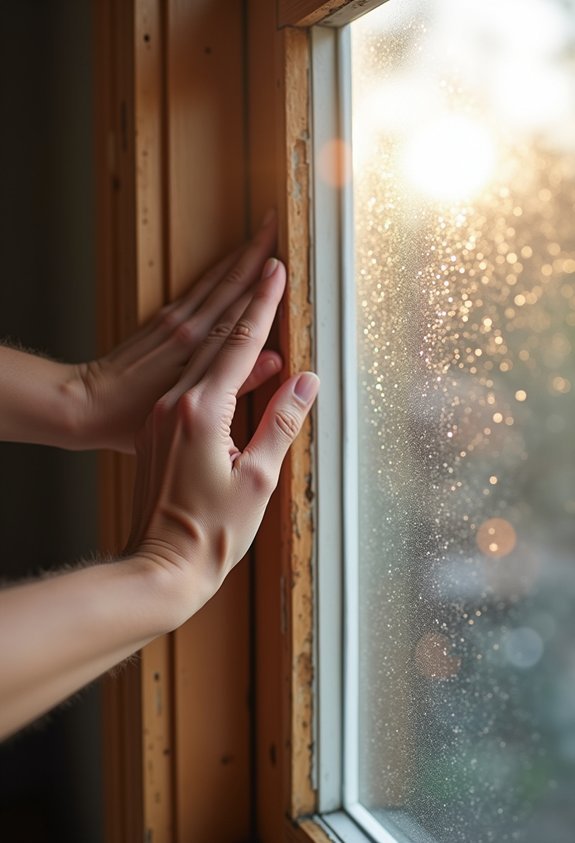
While you’re cranking up that newly programmed thermostat, there’s a sneaky little saboteur working against you—those gaps around your windows and doors that are basically highway exits for your expensive heated (or cooled) air.
Here’s the thing: you can grab some weatherstripping for under ten bucks and seal those leaks in about twenty minutes. No handyman required.
Door sweeps are your best friend for that annoying gap at the bottom of exterior doors—you know, the one that creates that lovely indoor breeze nobody asked for.
Window insulation kits (the plastic film kind) work surprisingly well and won’t make your place look like a disaster zone.
The payoff? Lower bills and rooms that actually stay the temperature you want them to be.
Seal those leaks and watch your energy bills drop while your comfort level actually goes up—now that’s a win-win.
Pretty solid return on investment, right?
Add Weatherstripping to Drafty Areas
Beyond windows and doors, your house has all sorts of sneaky spots where air escapes—and yeah, they’re costing you money you didn’t sign up to lose.
Weatherstripping is your budget-friendly superhero here. It’s basically foam or rubber tape that fills those annoying gaps around door frames, attic hatches, and even electrical outlets (wild, right?).
You can tackle drafty windows with adhesive-backed foam strips—no special tools required, just peel and stick.
For doors that whistle when the wind blows, try door sweeps at the bottom or V-strip sealing techniques along the sides.
The best part? Most weatherstripping costs under twenty bucks and takes maybe thirty minutes to install.
You’ll feel the difference immediately—warmer rooms, lower bills, and that satisfying feeling of outsmarting your own house.
Reverse Your Ceiling Fans for Winter
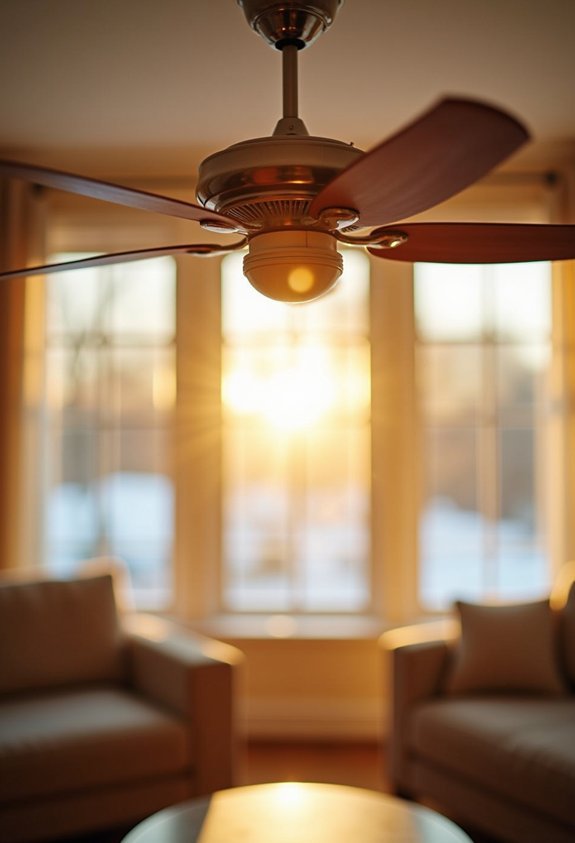
Here’s another sneaky trick most people forget about until they’re staring at their ceiling wondering why the room feels stuffy—your ceiling fan has a winter mode, and flipping that little switch can actually lower your heating bills.
Most fans have a tiny switch on the motor housing that reverses the fan direction. In winter, you want it spinning clockwise (when looking up) to push warm air down from the ceiling—because heat rises, and you’re basically just letting it hang out up there doing nothing.
Here’s what you need to know:
- Find the switch on your fan’s motor and flip it to reverse mode
- Run it on low speed so you get winter comfort without creating a wind tunnel
- Watch your thermostat drop a degree or two while staying cozy
This simple adjustment is one of those routine simplifications that reduces both your energy costs and decision fatigue about managing home comfort.
Game-changer, honestly.
Close Vents and Doors in Unused Rooms
You’re probably heating or cooling rooms right now that literally nobody’s using—the guest bedroom that hasn’t seen a guest since 2019, that storage room you keep meaning to organize, maybe even a home office you abandoned after going back to in-person work.
Here’s the thing: closing vents and doors in those empty rooms actually helps maintain room temperature where you actually live, and it’s brilliant for energy efficiency.
Your HVAC system won’t work as hard trying to heat or cool every single square foot of your house—just the spaces you’re actually using (revolutionary concept, right?).
Close the door, shut the vent, and boom—instant savings.
Just don’t close more than 10% of your vents, though, because too many closed vents can mess with your system’s airflow and cause bigger problems.
Let Sunlight In During the Day
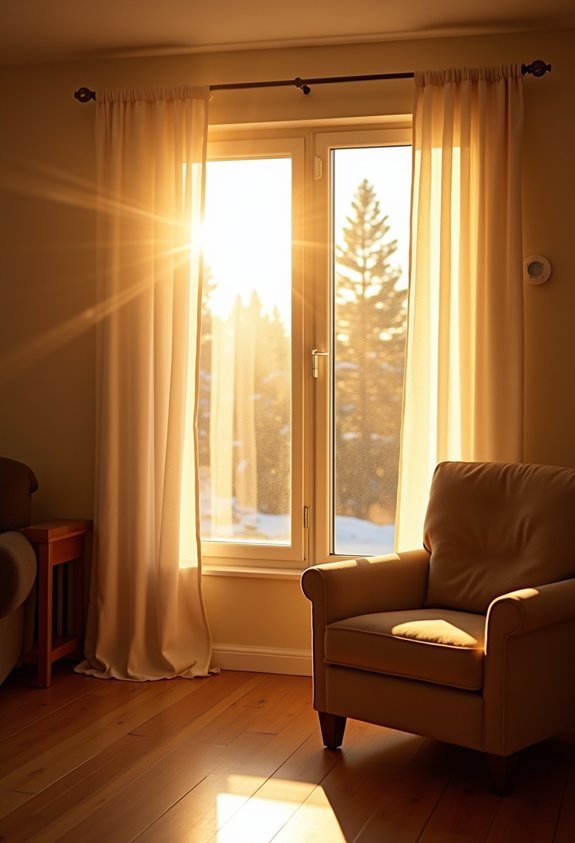
During winter months, your windows can basically become free heaters if you just remember to open those curtains and blinds—nature’s doing all the work, you’re just getting out of its way.
The sunlight benefits are real, people. Those rays streaming through your windows aren’t just brightening your mood (though that’s nice too)—they’re actually warming up your space without costing you a dime.
Here’s how to maximize natural lighting:
- Open curtains on south-facing windows as soon as the sun rises
- Close them again before sunset to trap that warmth inside
- Clean your windows so sunlight can actually get through (shocking concept, right?)
Think of it as teamwork between you and the sun. You provide the open curtains, the sun provides the heat.
This strategy works well with a simplicity mindset—fewer window treatments mean less fuss and more natural warmth flowing into your home.
Pretty sweet deal.
Use Thick Curtains and Blinds Strategically
But wait—before you rip down all your window coverings in the name of solar heating, let’s talk about the flip side of this equation.
Those same windows that let in beautiful, free warmth during sunny winter days? They’re also massive heat-suckers once the sun goes down.
Windows give you free warmth during the day but steal it right back when the sun goes down.
Here’s where you get strategic.
Invest in thick curtains (bonus points if they’re thermal-lined) and close them religiously when darkness falls.
Different curtain materials offer varying levels of insulation—fleece-backed ones work wonders without breaking the bank.
During summer, reverse your approach: keep light blocking curtains closed during the hottest parts of the day to prevent your home from becoming a greenhouse.
It’s basically playing defense against your own windows’ betrayal.
Just like clearing countertops helps calm the mind by reducing visual chaos, keeping your window treatments organized and consistently managed creates both physical comfort and mental clarity in your home.
Lower Your Water Heater Temperature
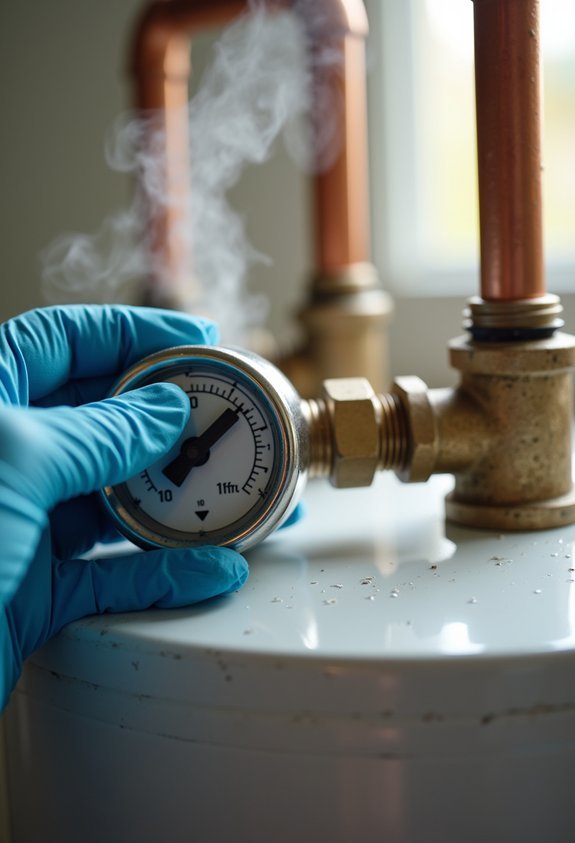
Most water heaters come factory-set at 140°F, which—let’s be honest—is hot enough to brew tea and absolutely nobody needs their tap water that scorching.
Lowering it to 120°F saves you serious cash without sacrificing comfort (and prevents accidental burns, which is a nice bonus).
Here’s what you need to know:
- You’ll save 3-5% on energy costs for every 10-degree reduction—that’s real money back in your pocket
- Water heater maintenance becomes easier when you’re not constantly battling mineral buildup from excessive heat
- Energy efficient models work even better at lower temperatures, maximizing your savings without any extra effort
Making this simple adjustment takes literally two minutes and pays dividends all year long.
Instead of wasting money on high-interest debt or impulse purchases, redirect those savings from your lower water heater setting into building your emergency fund or paying down balances.
Insulate Your Water Heater and Pipes
Since you’ve already turned down your water heater temperature, here’s the next move that’ll make an even bigger dent in your utility bills: wrapping that tank (and its pipes) in a cozy insulation blanket.
Water heater insulation is ridiculously easy—basically like tucking your tank into bed with a special jacket that costs around twenty bucks at any hardware store.
For about twenty bucks and ten minutes of effort, you can wrap your water heater in an insulation blanket that’ll pay for itself fast.
You’ll cut heat loss by up to 45%, which means your heater won’t work overtime reheating the same water.
Don’t stop there, though.
Pipe insulation techniques are just as simple—foam tubes slip right over exposed pipes (especially those first few feet leaving your tank) to keep hot water actually hot during its journey to your faucet.
Less reheating equals more money staying in your pocket.
Take Shorter Showers

Time yourself in the shower tomorrow morning—you might be shocked to discover you’re spending fifteen minutes (or more!) just standing under that warm spray contemplating life’s mysteries.
Here’s the thing: every minute you shave off your shower saves serious cash on both water and heating costs.
Try these water saving gadgets to make the transition easier:
- Install a shower timer (the kind that suctions to your wall and keeps you honest)
- Switch to a low-flow showerhead that maintains pressure while using less water
- Set a motivating playlist—when the music stops, you’re done
Start with small cuts. Drop from fifteen minutes to twelve, then ten.
You’ll barely notice the difference, but your wallet definitely will.
Beyond the financial benefits, shorter showers can become a small daily ritual that helps reduce cognitive load and creates a sense of intentional living in your routine.
Wash Clothes in Cold Water
About 90% of your washing machine’s energy goes toward heating the water, not actually spinning your clothes around. Wild, right?
Here’s the thing—modern detergents work just fine in cold water, and you’ll see serious laundry savings on your electric bill. We’re talking $60-$90 a year just by twisting that dial.
Switching to cold water for laundry could save you up to $90 annually while modern detergents clean just as effectively.
The cold water benefits don’t stop there. Your clothes last longer (hot water breaks down fabrics faster), colors stay brighter, and you’re less likely to shrink your favorite sweater—again.
Sure, you might want hot water for seriously gross stuff like muddy sports uniforms or bedding during flu season.
But for everyday laundry? Cold works perfectly.
Just like with groceries, tracking your spending in one category can reveal surprising opportunities to cut costs in others.
Your wallet will thank you.
Unplug Electronics and Appliances When Not in Use
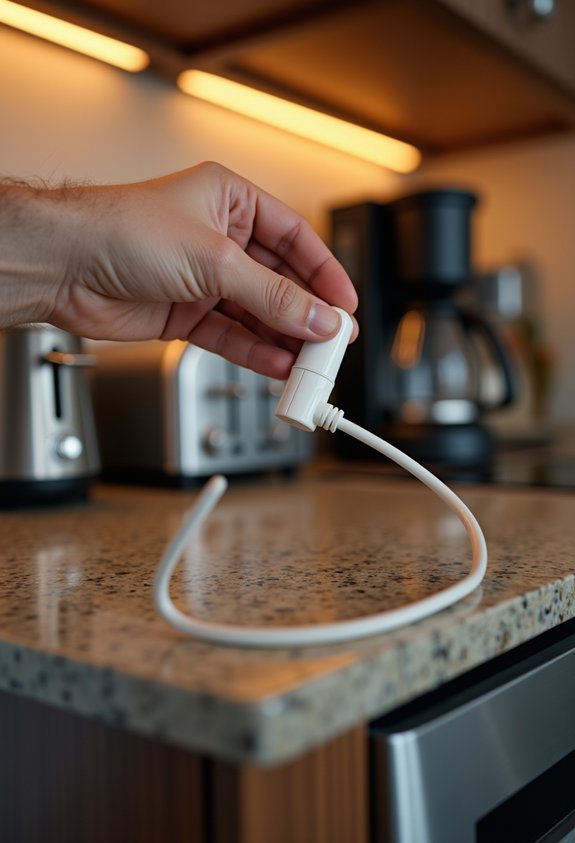
Even when they’re “off,” your electronics are secretly sipping power like tiny vampires—and it’s costing you real money.
Those energy vampires—your TV, coffee maker, phone chargers—they’re all guilty. The fix? Unplug them when you’re done.
Simple appliance management can save you $100+ yearly (yes, really). Here’s what works:
- Use power strips for clusters of devices. One switch controls everything—your entertainment center, computer setup, or kitchen counters. Flip it off before bed, and boom—instant savings.
- Target the worst offenders first. Cable boxes, gaming consoles, and laptop chargers are major energy vampires.
- Make it a habit. Unplug your phone charger after charging—it draws power even without your phone attached.
You’re not being paranoid. Those little glowing lights are literally draining your wallet.
Standby power from rarely used devices adds unnecessary costs to your utility bills, contributing to the 50% of expenses tied to heating, cooling, and water heating.
Switch to LED Light Bulbs
If you’re still using those old-school incandescent bulbs, you’re basically heating your house with light—and paying through the nose for it.
LEDs use about 75% less energy, which means your electric bill gets a nice haircut without you doing anything except screwing in a different bulb.
Sure, LEDs cost more upfront—but here’s the thing: their bulb lifespan is ridiculous.
We’re talking 25,000 hours compared to incandescent’s measly 1,000. That’s like replacing one bulb every 20 years instead of every year (assuming you’re not running your lights 24/7, which, hey, no judgment).
The energy efficiency alone pays for itself within months. Plus, they don’t get scorching hot, so you won’t burn your fingers.
It’s the easiest upgrade ever. When you calculate the cost-per-use, LEDs crush incandescents—a slightly higher upfront cost divided by 25 times more hours means you’re paying a fraction of a penny per hour of light.
Maintain Your HVAC System Regularly
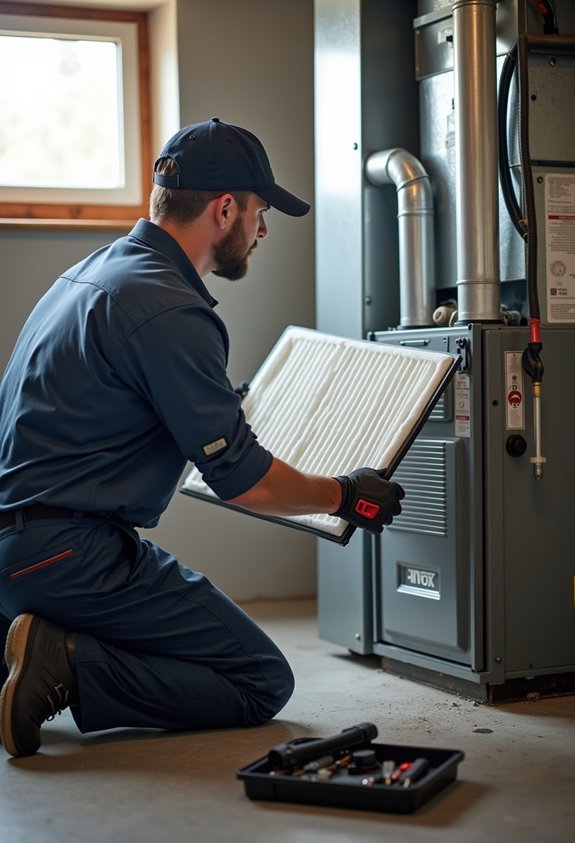
Your HVAC system is basically the hardest-working appliance in your house—running year-round to keep you from freezing in winter or melting in summer—and yet most of us treat it like that gym membership we forget exists.
Regular HVAC maintenance isn’t just smart—it’s like giving your system a fighting chance to actually do its job without guzzling energy like it’s going out of style.
Here’s what actually matters:
- Change filters monthly (or every three months, depending on your system—check the package, not your vague memory)
- Schedule professional tune-ups twice yearly before heating and cooling seasons hit
- Clear debris from outdoor units because leaves and dirt are basically kryptonite for efficiency
Filter replacement alone can slash your energy bills by 5-15%. That’s real money staying in your pocket.
Treating seasonal maintenance as non-negotiable extends your system’s lifespan and prevents expensive emergency repairs down the road.
Use Space Heaters for Targeted Heating
Heating your entire house when you’re only using one or two rooms is like buying pizza for the whole neighborhood when you’re just feeding yourself—generous, sure, but wildly expensive and kind of unnecessary.
Space heaters let you focus warmth exactly where you need it—your home office, bedroom, or living room—while keeping your thermostat lower everywhere else. This targeted approach is all about energy efficiency.
Here’s the thing: optimal placement matters. Put your space heater close to where you’re sitting (but not *too* close—fire hazards aren’t the vibe we’re going for).
Close doors to trap heat in smaller areas.
Just don’t run five space heaters simultaneously.
That defeats the purpose and sends your electric bill skyrocketing faster than you can say “I thought this would save money.”
Dress Appropriately for the Season Indoors

Sweaters exist for a reason—and that reason is keeping you warm without cranking your thermostat to tropical rainforest levels.
Indoor layering isn’t just practical—it’s your secret weapon against sky-high heating bills. Think cozy socks, fleece-lined leggings, and that hoodie you’ve been living in anyway.
Seasonal textiles make a huge difference too. Flannel sheets in winter, throw blankets on every couch, even switching to heavier curtains—these small changes keep warmth where you need it.
Here’s your comfort toolkit:
You may also like:





- Layer clothing starting with thermal base layers, adding sweaters or hoodies as needed
- Keep slippers and warm socks by your bed for chilly mornings
- Use blankets strategically while watching TV or reading
You’re not being cheap; you’re being smart.
And honestly? There’s something satisfying about outsmarting your utility company.
In case you were wondering
How Much Can I Realistically Save on My Monthly Utility Bills?
You can typically reduce your monthly expenses by 10-30% through simple efficiency changes. Your potential savings depend on current usage habits, home size, and local rates, averaging $20-100 monthly for most households.
Do These Energy-Saving Tips Work in Apartments or Only Houses?
Most energy-saving tips work in apartments too! You can make apartment upgrades like LED bulbs and smart power strips. While you can’t replace major energy efficient appliances, you’ll still see significant savings from behavioral changes.
What Government Rebates Are Available for Energy-Efficient Home Improvements?
You’ll find federal incentives like the Energy Efficient Home Improvement Credit offering up to $3,200 annually for energy upgrades including insulation, windows, and heat pumps. Check IRS.gov and your state’s programs for additional rebates.
How Do I Calculate My Home’s Energy Efficiency Baseline?
Think of your home as a leaky bucket—you’ll track energy consumption by reviewing 12 months of utility bills and conducting efficiency measurements through a professional home energy audit to establish your baseline.
Are There Utility Company Programs That Offer Free Energy Audits?
Yes, many utility companies offer free or discounted energy audits. You’ll discover energy audit benefits like identifying inefficiencies and qualifying for utility rebates that offset upgrade costs. Contact your provider to schedule an assessment today.
Conclusion
You don’t have to choose between being comfortable and saving cash—honestly, you can have both. These simple tweaks might seem small (like just switching out a few light bulbs or adjusting your thermostat), but they add up fast. Your wallet will thank you, and you’ll stay perfectly cozy all winter long.
Start with one change today and build from there.