11 Minimalist Habits That Stick
Minimalist habits that actually stick include the one-in-one-out rule—where every new item means an old one leaves—plus a daily 10-minute reset to return things to their homes before bed. You’ll want to try the 30-day purchase waiting period, digital decluttering sessions, and capsule wardrobes with just 15 mix-and-match pieces. Keep a “done” list instead of endless to-dos, designate specific spots for everything, and practice saying no without guilt or over-explaining—because protecting your time and space matters. The strategies below break down exactly how to make each habit work.
Key Takeaways
- Apply the one-in-one-out rule to prevent clutter accumulation and encourage mindful purchasing habits for sustainable living.
- Implement a daily 10-minute reset routine by returning items to designated places, reducing chaos and improving mental well-being.
- Practice digital decluttering by unsubscribing from unwanted emails, unfollowing negative accounts, and deleting unused apps and files monthly.
- Use a 30-day wait period for purchases to build impulse control, identify emotional spending triggers, and ensure intentional buying.
- Create a capsule wardrobe with fifteen essential pieces to combat decision fatigue and reduce guilt from impulse clothing purchases.
The One-In-One-Out Rule
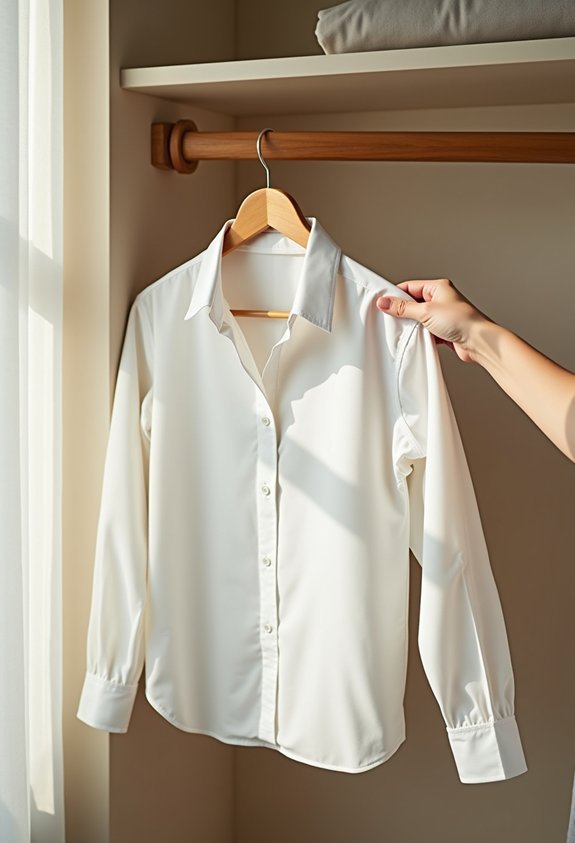
Every time something new comes into your home, something old has to leave. That’s the one-in-one-out rule—and honestly, it’s a game-changer for keeping clutter from sneaking back in.
Here’s how it works: bought a new sweater? Time to donate one you haven’t worn in ages. Got a shiny new gadget? Say goodbye to that dusty thing collecting cobwebs in your drawer.
New purchase, new goodbye—your clutter-free home depends on keeping that balance in check every single time.
Simple, right?
This habit delivers serious decluttering benefits without the overwhelming weekend purge sessions (we’ve all been there, surrounded by stuff, questioning our life choices).
Plus, it supports sustainable living—you’re being more intentional about what you bring home.
You’ll think twice before impulse buying when you know something’s gotta go.
The shift from “Where can I store this?” to “What will this replace?” transforms how you think about new purchases entirely.
Daily 10-Minute Reset Routine
Before you collapse on the couch at the end of the day, give yourself ten minutes to reset your space—it’s like hitting the refresh button on your home (and your brain).
Walk through each room and return five things to where they belong. That’s it—no deep cleaning required.
Toss those random papers cluttering the counter (you know the ones). Put away the coffee mug that’s been sitting there since your morning mindfulness session. Fluff the couch pillows your dog destroyed.
This isn’t about perfection—it’s about progress.
Think of it as evening gratitude for your space. You’re thanking your home by tidying it up, which makes tomorrow morning infinitely easier.
Plus, waking up to a reset space beats stumbling into yesterday’s chaos any day.
This simple routine helps lower cortisol levels by creating the orderly surroundings your nervous system craves after a long day.
Question Every Purchase With a 30-DAY Wait Period
that thing you’re eyeing right now (the gadget, the shoes, the decorative thing you totally don’t need but kinda want) can wait thirty days.
Seriously—add it to a wishlist, screenshot it, write it down. Then walk away.
This simple practice builds incredible impulse control because most “must-haves” lose their sparkle after a few weeks.
You’ll forget about half of them completely (which tells you everything you need to know).
The items you *do* still want after thirty days? Those purchases feel intentional instead of regretful.
During your waiting period, track the emotional triggers behind each urge—stress, boredom, celebration—to understand your real spending patterns.
Mindful spending isn’t about deprivation—it’s about making sure your money goes toward things that actually matter to you, not whatever caught your eye on a random Tuesday.
Your future self (and your bank account) will absolutely thank you.
Designate a Home for Everything You Own
Clutter chaos happens when your stuff doesn’t have an actual place to live—so it just migrates around your home like a bunch of nomads looking for somewhere to crash.
Home organization becomes infinitely easier when everything has designated spaces.
Here’s how to make it stick:
- Label it. Bins, drawers, shelves—whatever holds your stuff should tell you what goes there.
- Make it logical. Store things where you actually use them (not where Pinterest says they should go).
- Keep it accessible. If you can’t reach it easily, you won’t put it back—and we’re back to clutter city.
The magic happens when returning items becomes automatic.
You’ll stop wasting time hunting for your keys, that one pen that actually works, or your sanity.
Designated spaces equal freedom.
For daily essentials like keys and bags, creating dedicated drop zones near your entryway keeps these high-touch items from wandering around your home.
Practice the Maybe Box Method
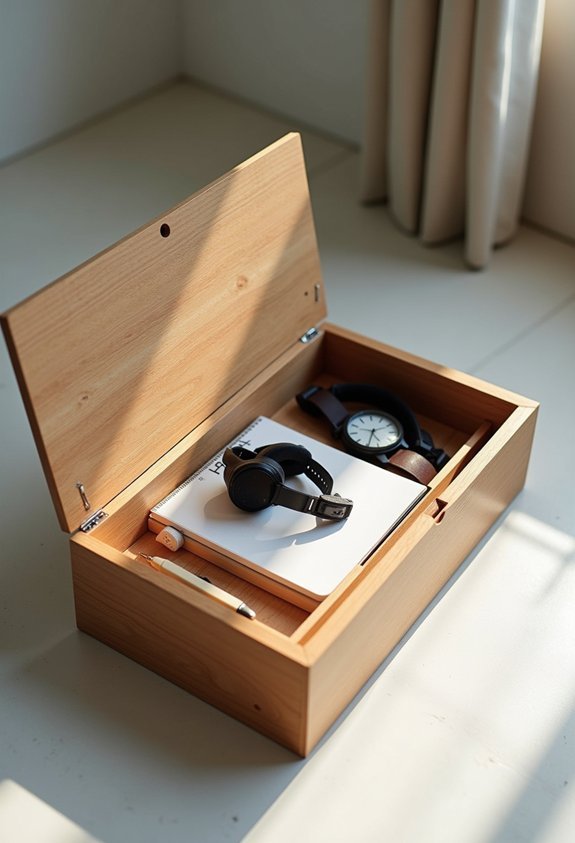
grab a box, toss in anything you’re unsure about, and seal it up.
Mark today’s date on top.
Set a reminder for three months from now.
If you haven’t desperately searched for something in that box by then—donate it without opening. (Seriously, don’t peek. That defeats the purpose.)
This method eliminates decision fatigue because you’re not forcing immediate choices on sentimental items or “just in case” stuff.
The maybe box gives you permission to wait—and usually, waiting reveals the answer.
By naming the emotions tied to objects in that box, you’ll realize most items don’t deserve the mental energy they’ve been demanding.
Clear Flat Surfaces Before Bed
The simplest reset button in your entire home? Your kitchen counter, coffee table, and nightstand—wiped clean before you crawl into bed.
This tiny bedtime routine takes maybe five minutes (seriously, time it), but it’s like giving tomorrow-you the best gift ever. You’ll wake up to clutter free mornings instead of yesterday’s chaos staring you down.
Here’s your nightly surface sweep:
- Return items to their actual homes—not their “close enough” spots
- Stack papers into one designated inbox (deal with them later, we’re not heroes)
- Put dishes in the sink or dishwasher
That’s it. No deep cleaning, no reorganizing your entire life at 10 PM. Just clear surfaces that let you breathe easier when morning comes.
Clear countertops calm the mind and simplify your tasks, creating the mental space you need to actually relax at night.
Unsubscribe and Unfollow Relentlessly
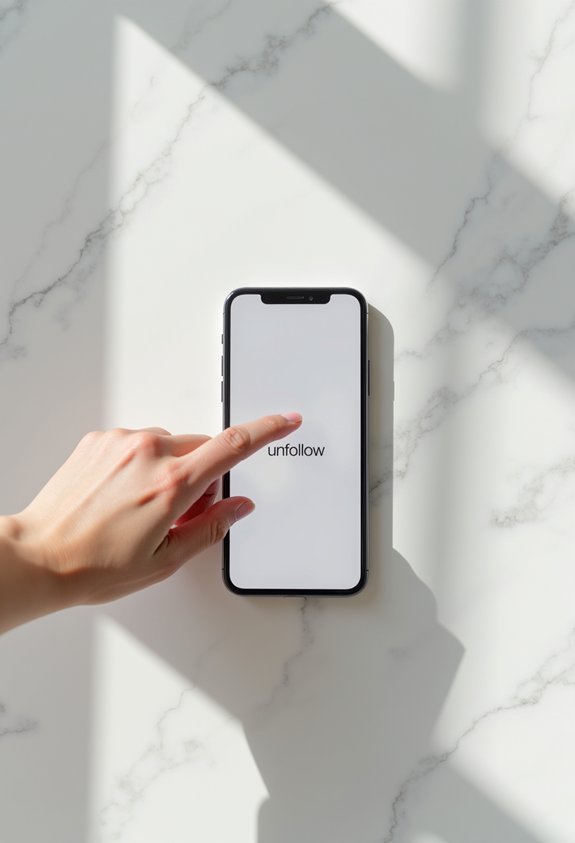
While you’re clearing physical surfaces, your digital space is probably screaming for the same treatment—and that inbox stuffed with 47 unread newsletters isn’t helping anyone.
Here’s your new rule: if you don’t open it within three emails, you don’t actually want it. Unsubscribe immediately. No guilt allowed.
Three unopened emails means you don’t want it—unsubscribe without guilt and reclaim your attention.
Same goes for social media—that influencer who makes you feel bad about your kitchen counters? Unfollow. The brand that floods your feed with stuff you’ll never buy? Gone.
Think of it like this: every email subscription and social media account you follow is basically a tiny person tapping your shoulder saying “hey, look at me!” all day long.
You’re allowed to ask them to stop.
Your attention isn’t infinite, and protecting it’s minimalism too. Those promotional messages aren’t just annoying—they’re designed to trigger impulsive buying through manipulated timing and urgency tactics that chip away at your mental bandwidth.
Schedule Regular Digital Decluttering Sessions
Unsubscribing once feels great—but if you stop there, the clutter just creeps back in like weeds in a garden you forgot about.
That’s why you need regular digital decluttering sessions—think of them as your monthly digital detox appointments with yourself.
Set a recurring calendar reminder (first Sunday of every month works great) and tackle:
- Photos and screenshots you’ll definitely never look at again
- Apps you haven’t opened in the past month—goodbye, random game from 2019
- Old files and downloads clogging up your storage like forgotten leftovers in the fridge
Establishing these tech boundaries keeps your devices running smoothly and your mind clearer.
Use a timer to create urgency and limit session length, helping you stay focused without turning a quick cleanup into an overwhelming project.
You’re not being extreme, you’re being intentional.
And honestly? It’s oddly satisfying watching that storage bar shrink.
Embrace the Capsule Wardrobe Approach
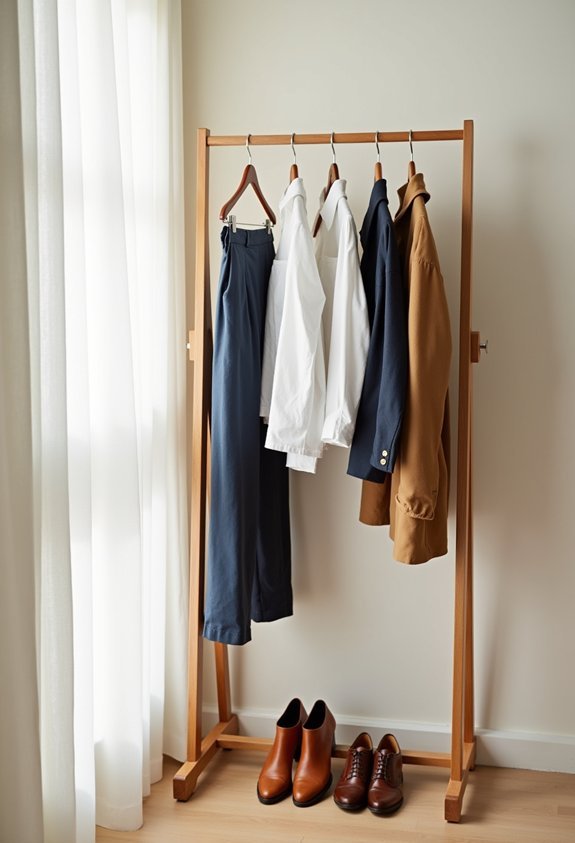
If you’ve ever stood in front of a closet bursting with clothes and thought “I have nothing to wear,” congratulations—you’ve just discovered the cruel irony of decision fatigue.
A capsule collection changes everything. Instead of owning fifty mediocre shirts, you’ll keep fifteen pieces you actually love—and they all work together.
Here’s the magic: when your style essentials mix and match effortlessly, getting dressed becomes automatic (no more outfit meltdowns at 7 AM).
A wardrobe that works together eliminates morning chaos—because decision fatigue shouldn’t start before your coffee does.
Start by choosing a color palette—maybe black, white, navy, and one accent color.
Then keep only clothes that fit well, feel comfortable, and make you confident.
The best part? You’ll spend less money, less time deciding what to wear, and zero energy feeling guilty about that impulse-buy jumpsuit gathering dust.
This approach helps you distinguish between want and need, focusing on items that truly serve your personal life rather than chasing external approval.
Keep a “Done” List Instead of Just a To-Do List
Minimalism works for your closet—but your brain needs the same decluttering treatment, especially when it comes to productivity.
Here’s the thing: to-do lists can make you feel like you’re drowning. They grow faster than weeds, reminding you what you *haven’t* done yet.
Switch it up. Keep a “done” list instead—it’s accomplishment tracking that actually feels good.
Why it works:
- You see progress clearly (no more feeling like you’ve achieved nothing all day)
- It gives you a productivity boost when motivation tanks
- Your brain gets those sweet dopamine hits from recognizing wins
Write down *everything* you complete—even small stuff like “answered emails” or “made lunch.” Those tiny victories add up, and suddenly you’re not just surviving the day.
You’re crushing it.
By focusing on what you’ve accomplished rather than what’s still pending, you reduce the cognitive load that comes from constantly comparing yourself to an endless list of tasks.
Say No Without Guilt or Over-Explaining

You’re not alone. Saying no feels impossible when you’re worried about disappointing people—but here’s the thing: you don’t owe anyone a dissertation-length explanation for protecting your time.
Assertive communication means being clear and kind, not defensive. Try this: “I can’t commit to that right now” or “That doesn’t work for me.” Period. Done.
Notice what you *didn’t* do there? You didn’t apologize seventeen times or invent elaborate excuses about your cat’s fictional vet appointment.
You may also like:




Guilt free boundaries aren’t selfish—they’re honest. When you stop over-explaining (which usually sounds like justifying anyway), something magical happens: people respect your decisions more.
And if they don’t? That’s actually their problem to solve, not yours to fix.
Practice makes this easier. Promise.
In case you were wondering
How Do I Get My Family Members on Board With Minimalism?
Start with family discussions about why minimalism matters to you. Focus on shared goals like reducing stress, saving money, or creating more space. Lead by example with your own belongings, and you’ll inspire gradual change.
What Should I Do With Sentimental Items I Can’t Discard?
You’ll want to focus on memory preservation through photos or digital scans of bulky items. For pieces you’re keeping, invest in creative storage solutions like shadow boxes, memory chests, or dedicated display areas that honor their significance.
How Does Minimalism Affect My Social Life and Gift-Giving Traditions?
Minimalism shifts your focus from material gifts to meaningful experiences. You’ll prioritize quality time at social gatherings over elaborate gift exchange, strengthening relationships through presence rather than presents. You’ll give thoughtfully, choosing experiences or consumables over clutter-creating items.
Can Minimalism Work if I Have Children or Live in Small Spaces?
Like a ship’s cabin maximizing every inch, you’ll find minimalism *thrives* in constraints. Small space solutions and streamlined children’s routines actually make minimalism easier—less room means fewer things, creating natural boundaries that larger homes lack.
How Do I Handle Minimalism When My Partner Isn’t Interested?
Focus on your own spaces first while practicing communication strategies with your partner about shared areas. Use compromise techniques like “one in, one out” rules or designating minimalist zones they’ll respect without feeling pressured.
Conclusion
You know how a sculptor chips away marble to reveal what’s already there? That’s you now—removing the excess to uncover the life you actually want. These eleven habits won’t transform you overnight (sorry, no magic wands here), but they’ll quietly reshape your days. Start with just one habit this week. Maybe it’s the maybe box, maybe it’s saying no without that guilt-spiral. Your future self will thank you.